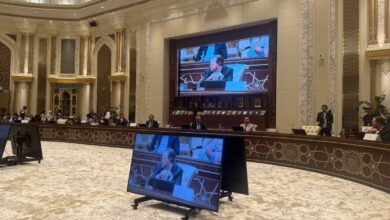
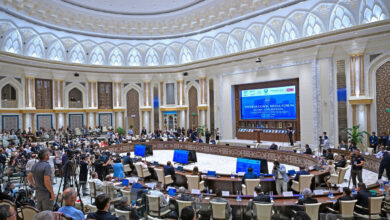
Tashkent (UNA/WAS) – The International Media Forum “Islamic Civilization: A New Perspective, New Discoveries” in Uzbekistan reviewed the use of modern technologies and artificial intelligence in the study of Islamic manuscripts and heritage, through digitization, databases and interactive tools that allow the preservation of historical content and make it available to researchers and the public.
The Islamic Civilization Center in Uzbekistan has emerged as a model in this field, as its library contains more than 350 electronic books, while it has succeeded in digitizing more than 700 rare publications and installing electronic chips on 30 materials, with more than 10 million electronic resources available through the digital library and databases.
The forum sessions addressed the role of artificial intelligence in reading and indexing texts, comparing manuscript copies, and linking the names of scholars, authors, places, and time periods, thus saving researchers time and helping them study large collections of documents.
The forum highlighted the importance of digitally collecting scattered manuscripts and linking them within a single knowledge context, along with using timelines and interactive displays to transform the museum experience from simply displaying artifacts to telling their history and story.
In the field of Qur’anic manuscripts, the center houses 114 rare Qur’anic manuscripts related to the history of Uzbekistan, including the Uthman Qur’an and the Kata Langar Qur’an.
The participants emphasized the importance of integrating artificial intelligence technologies with human expertise, particularly in verifying information and understanding the contexts of historical texts, which enhances research opportunities in Islamic heritage and contributes to tracking the paths of knowledge transfer and documenting the links between manuscripts and scientific centers throughout the Islamic world.
(is over)