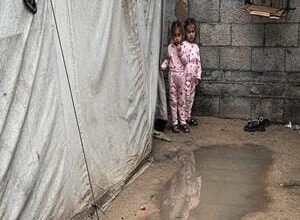
Ramallah (UNA/WAFA) - On World Children's Day, which falls on November 20th of each year, Palestine remembers its children, who have paid a heavy price as a result of the Israeli war of extermination, which has affected their lives, education and dreams, since October 7, 2023.
The Ministry of Education and Higher Education said in a press statement on Thursday, on the occasion of World Children’s Day, that more than 19 school children have been martyred, and about 28 have been injured, and hundreds of schools, kindergartens, childhood centers, nurseries and playgrounds have been completely or partially damaged in Gaza and the West Bank, since the start of the genocidal war until today.
She added: On this day, which has been designated globally to emphasize children’s rights to protection, education, dignity, care, play, and others, we affirm that the children of Palestine deserve to live in a stable environment that guarantees them the right to free, safe, and quality education, just as guaranteed by international charters and laws, especially the Declaration of the Rights of the Child of 1959 and the Convention on the Rights of the Child of 1989.
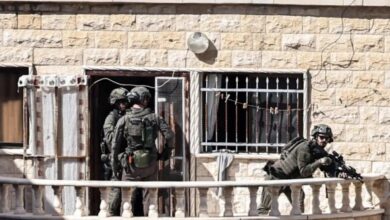
She pointed out that while the world’s countries and institutions celebrate this occasion, the violations of the occupation army and its settlers against our children continue in various areas, in Gaza, Jerusalem, and the areas classified as “C”. Hardly a day passes without mourning a child who is killed by the bullets of a settler or an occupation soldier. This reality is not limited to documentation in the language of numbers; rather, it is a narrative of stories left behind by dreams, ambitions, and hopes that vanished in moments. The effects of the crimes committed by the occupation army against our children in Gaza are still present and require punishment and deterrence.
The Ministry of Education called for the urgent protection of children and school students in Palestine, support for educational relief and recovery efforts for children and students in Gaza, rehabilitation of educational infrastructure in affected areas, expansion of psychosocial support programs for affected school students, and continued investment in equitable quality education that promotes resilience.
(is over)