Cairo (UNA/WAFA) – The Arab League called for the development of joint Arab mechanisms to counter media disinformation and verify information, and to enhance the ability of media institutions to deal with fake content produced by artificial intelligence technologies..
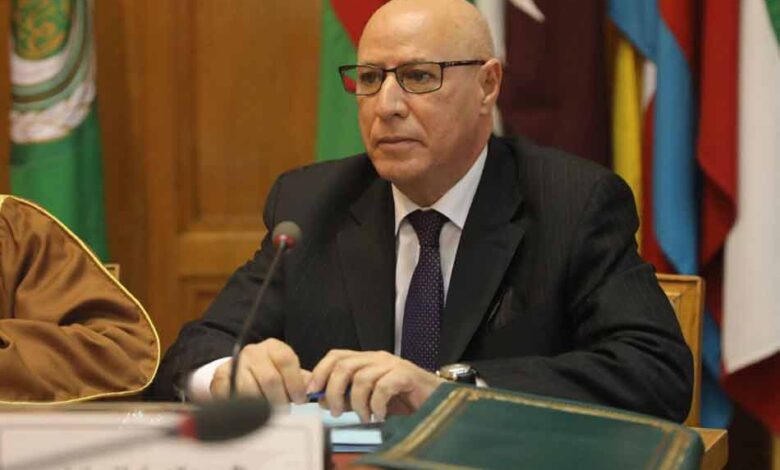
The Assistant Secretary-General, Head of the Media and Communication Sector at the Arab League, Ambassador Ahmed Khattabi, stressed at the opening of the scientific symposium entitled “The Future of Arab Media After Wars and Crises: Towards Enhancing Collective Awareness and Public Trust,” which was organized by the General Secretariat in cooperation with the Faculty of Media at Cairo University today at the Arab League headquarters, with the participation of a number of academics and researchers specializing in media and communication, the need to build Arab media narratives that enhance collective awareness and preserve Arab interests in light of the rapid transformations taking place in the region.
In his speech, delivered by Minister Plenipotentiary and Director of the Department of Research and Strategic Studies, Alaa Al-Tamimi, Khattabi stressed that the media is no longer merely a transmitter of events, but has become an influential party in managing conflicts and directing public opinion. He warned that media institutions have become capable of calming or inflaming societies, building or undermining trust, and protecting or distorting the truth, which imposes increasing professional and ethical responsibilities on those working in the media field.
He explained that the symposium was held at a time when armed conflicts and political and humanitarian crises were escalating, coinciding with rapid transformations in the media and communication environment, where information is now transmitted instantaneously through digital platforms, and the use of modern technologies and artificial intelligence in crafting narratives and influencing public opinion has grown.
He stressed the need for media institutions to adhere to professionalism, accuracy, and objectivity, and not to be drawn into rumors, propaganda, or hate speech. He emphasized the importance of developing professional frameworks that govern media work during armed conflicts and crises, noting that contemporary wars have created new challenges, including the widespread dissemination of false information, the rise of media disinformation campaigns, the use of artificial intelligence in producing fake content, and the direct targeting of journalists and media institutions.
The Assistant Secretary-General stressed the importance of developing a joint Arab media work system and building Arab narratives that enhance collective awareness, in addition to restoring public trust by promoting transparency and credibility in government and media communication. He pointed out that the symposium targeted the future of Arab media in the post-war and post-crisis phase, identifying its strategic priorities, and developing joint mechanisms to verify information and confront misinformation.
He pointed to the importance of producing professional and reliable media content that respects the public’s right to know, while at the same time preserving community security, civil peace and human values, while respecting freedom of expression, human rights and international humanitarian law.
The symposium program included two scientific sessions that addressed the strategic management of the Arab media landscape, confronting media misinformation, information security, the impact of artificial intelligence on media practices, and the role of government communication in restoring public trust.
The first session, entitled “Strategic Management of the Arab Media Landscape and Building Awareness After Crises,” focused on the mechanisms of Arab media integration and the management of international communication in the post-crisis phase. The session program also included a research paper that addressed the role of Arab narratives in managing public opinion.
The session included a research paper on anticipating the future of the Arab media landscape and identifying its priorities in the post-crisis phase, and the symposium dedicated its second session to discussing “information security, confronting misinformation and building trust after crises.”
The seminar focused on discussing ways to develop the performance of Arab media institutions in the post-crisis phase, enhance their ability to deal with digital transformations, confront misinformation, and build trust between media institutions and the public, within the framework of supporting the joint Arab media work system.
(is over)