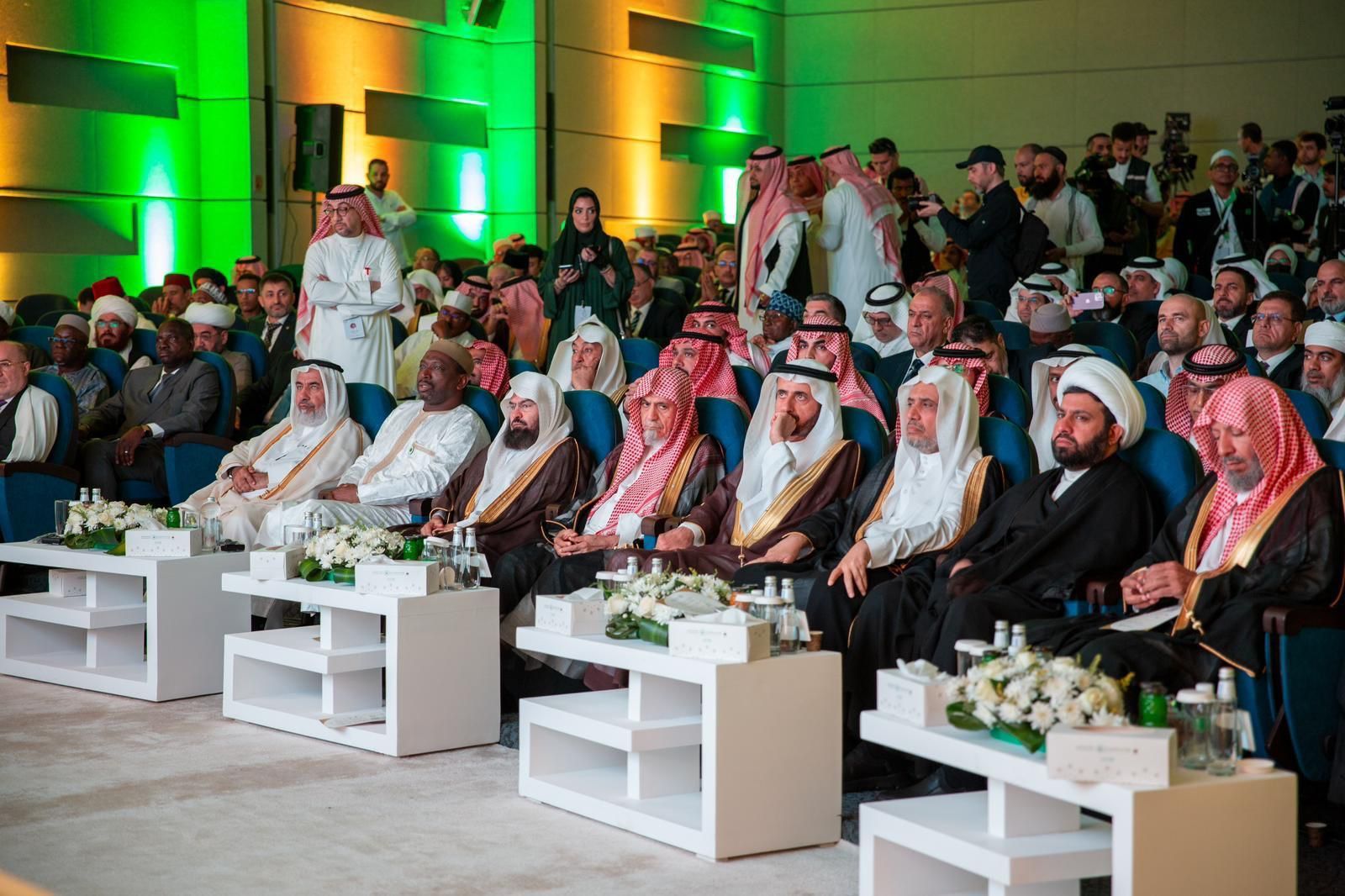
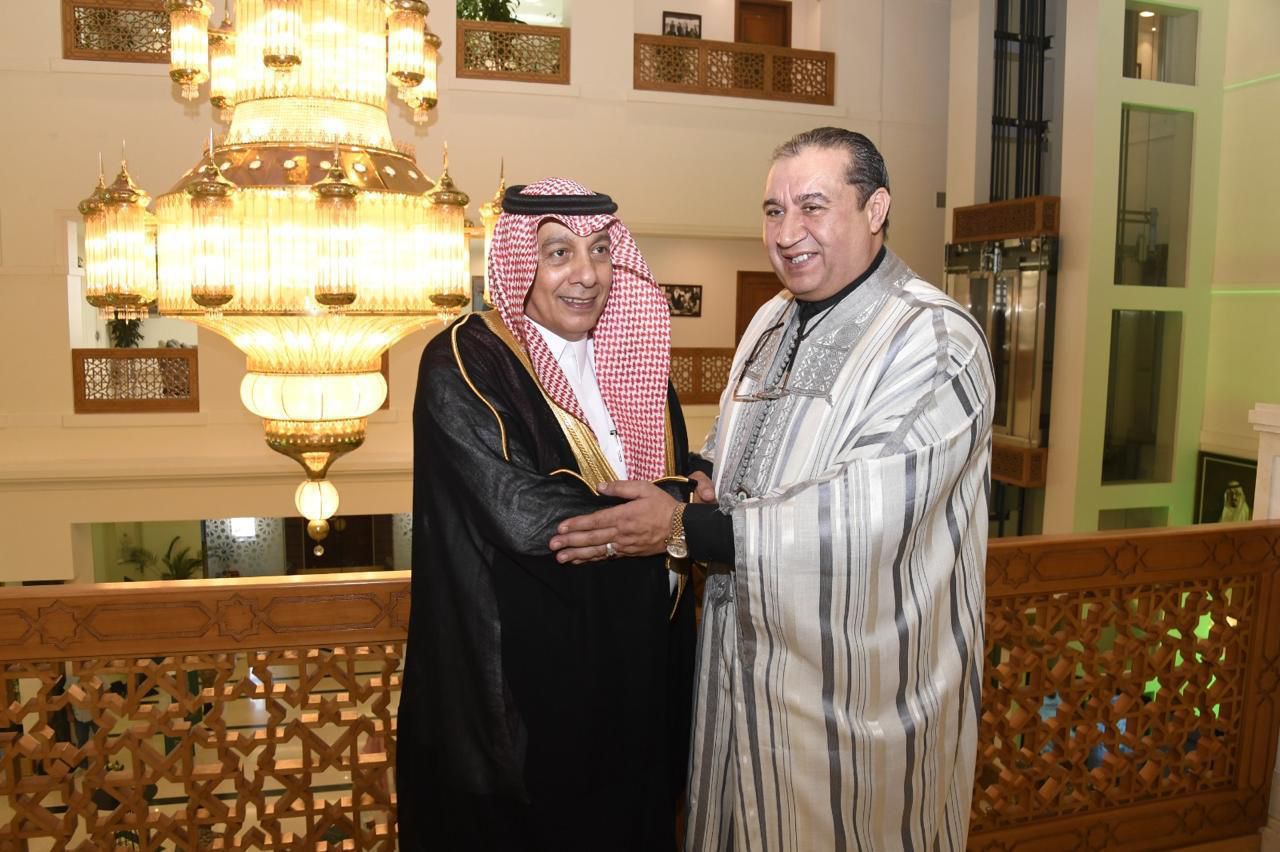
The International Islamic Fiqh Academy of the Organization of Islamic Cooperation was established in implementation of the decision of the Third Islamic Summit Conference held in Makkah Al-Mukarramah in 1401 AH (1981 AD).
Contact Information of the International Islamic Fiqh Academy
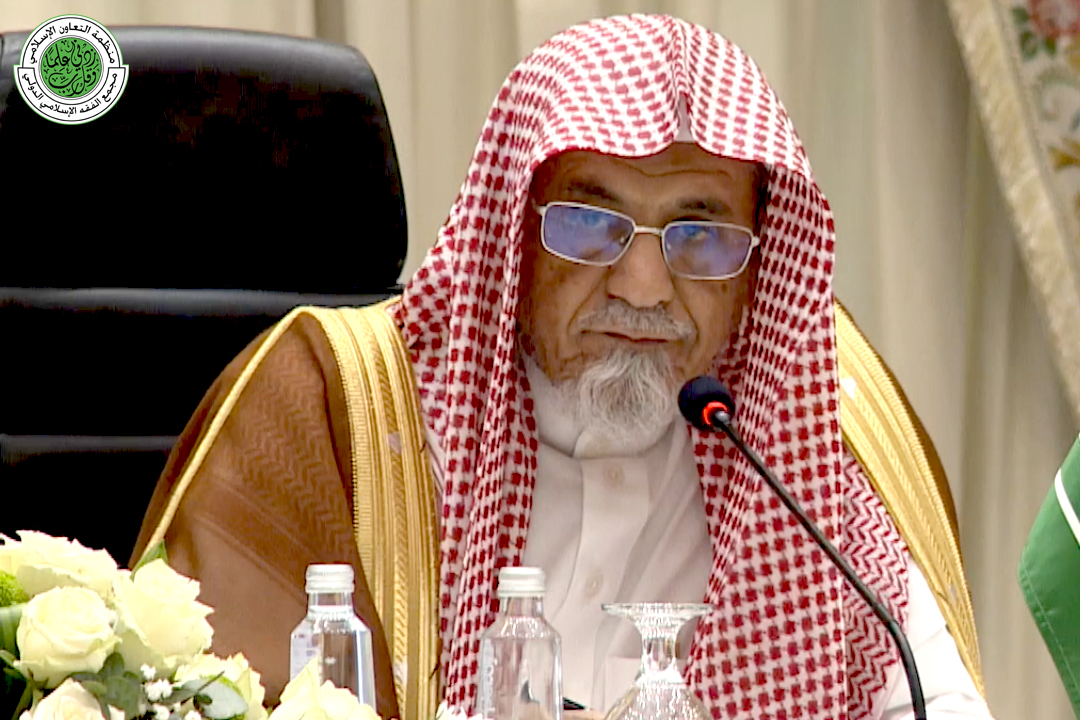
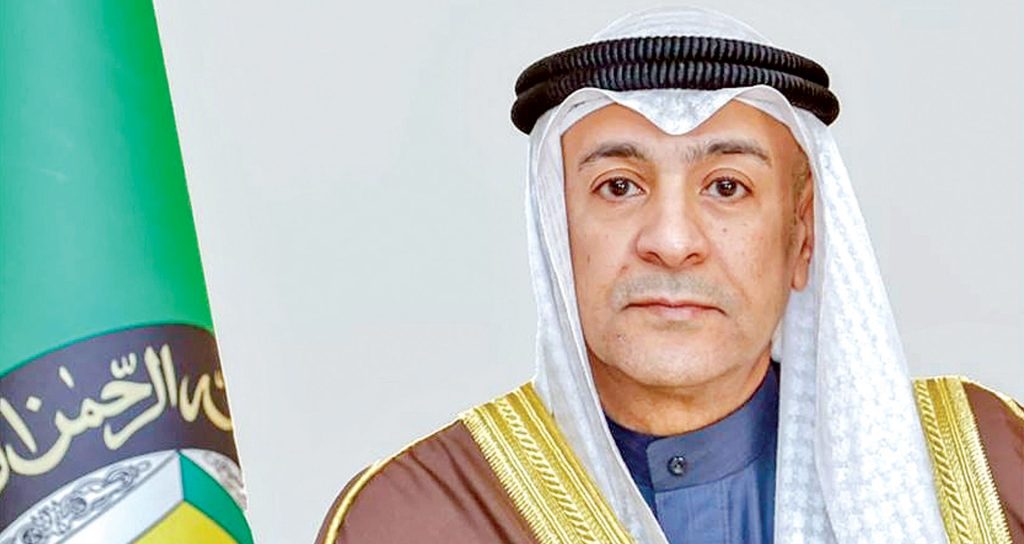
Secretary General of the International Islamic Fiqh Academy
His Excellency Dr. Sheikh Saleh bin Abdullah bin Hamid
Academic qualifications
اFor PhD: Sharia - Jurisprudence and its Principles - Umm Al-Qura University in Makkah Al-Mukarramah 1402 AH. Master's: Jurisprudence and its Principles - King Abdulaziz in Mecca 1396 AH. Bachelor's degree: King Abdulaziz University - College of Sharia and Islamic Studies in Makkah Al-Mukarramah (1388 AH - 1392 AH).
Lecturer at Umm Al-Qura University on: 1397/7/18 AH.
Assistant Professor, Umm Al-Qura University, 1402/5/19 AH.
Head of the Department of Islamic Economics - Umm Al-Qura University in: 1402/6/19 AH.
Director of the Center for Higher Evening Islamic Studies - College of Sharia - Umm Al-Qura University in: 1403/1/28 AH, with the rank of Deputy Dean of the College.
Chairman of the Council of Evening Islamic Graduate Studies at the Faculty of Sharia at Umm Al-Qura University.
Teacher at the Grand Mosque.
Imam and preacher at the Grand Mosque since: 1403/12/21 AH.
Deputy of the Faculty of Sharia at Umm Al-Qura University.
Dean of the Faculty of Sharia at Umm Al-Qura University.
Deputy President General for the Affairs of the Grand Mosque and the Prophet’s Mosque from: 1411 AH - 1420 AH.
Vice President of the Supreme Council of Dar Al Hadith Charity in Makkah Al Mukarramah.
Member of the Shura Council from: 1414 AH - 1421 AH.
President General of the Affairs of the Grand Mosque and the Prophet’s Mosque 1421 AH.
Chairman of the Shura Council from: 1422 AH - 1430 AH.
Chairman of the Supreme Judicial Council in: 1430 AH - 1433 AH.
Advisor at the Royal Court since: 1433/4/24 AH.

Videos from the International Islamic Fiqh Academy
Reels from the International Islamic Fiqh Academy
Additional Information
Achieving intellectual convergence and cognitive integration between jurists of the respected Islamic schools of thought and specialists in the fields of knowledge, human and social sciences, and natural and applied sciences, with the aim of clarifying the legal position on the problems of contemporary life.
Encouraging collective ijtihad on contemporary life issues and problems, with the aim of providing solutions stemming from Islamic law, and clarifying acceptable choices among the various opinions on a single issue, taking into account the interests of Muslims - individuals, groups and countries - in a manner consistent with evidence and achieving the objectives of Islamic law.
Coordination between fatwa authorities, jurisprudential bodies, and Islamic councils in the Islamic world and beyond in order to avoid contradiction and conflict in opinions regarding a single issue, especially general issues that are a common problem.
Rejecting sectarian fanaticism, religious extremism, and declaring sects and their followers infidels by spreading the spirit of moderation, balance, and tolerance among followers of different Islamic sects and groups.
Responding to fatwas that contradict the constants of religion, the recognized rules of ijtihad, and the established doctrines of scholars without reliable legal evidence.
Explaining the Sharia ruling on topics and issues related to contemporary reality in a way that facilitates its use in developing legislation, laws and regulations to be compatible and consistent with the provisions of Islamic Sharia.
Direct response to the reasons for expressing a legal opinion and translating it into new developments in life, the challenges facing the Islamic nation, and in the documents issued by the Organization of Islamic Cooperation and international organizations in those non-Muslim societies.
Issuing fatwas to Muslim groups and communities outside the countries of the Islamic world in a manner that preserves the values, culture, and traditions of Islam, in order to preserve their Islamic identity while adhering to the requirements of citizenship and residence in those non-Muslim societies.
Encouraging cooperation, integration and rapprochement between jurists of the various Islamic schools of thought regarding what is known of religion by necessity, in order to magnify commonalities, respect differences, adhere to the etiquette of jurisprudence of difference, and the importance of consulting the opinions of the schools of thought when the council issues its fatwas and decisions.
Working to renew Islamic jurisprudence by developing it from within, and developing it through the controls of deduction, rules, evidence, and objectives.
Constructive dialogue with followers of other religions and cultures with the aim of cooperating to achieve the good of human society, in coordination with the General Secretariat of the Organization of Islamic Cooperation.
The Islamic Fiqh Academy aspires to become the first global jurisprudential reference to which the countries of the Islamic world and Muslim societies outside the Islamic world resort in order to clarify the legal rulings on issues that concern Muslims, and with the aim of providing appropriate solutions to the problems of contemporary life based on the Holy Qur’an, the Noble Prophetic Sunnah, and the rich Islamic heritage that is open to the development of Islamic thought.
Presenting Islamic law in a correct and moderate manner, highlighting its advantages and its full ability to address life’s problems and achieve happiness, stability, security and safety for humanity in this world and the hereafter, according to a comprehensive and integrated vision of the Islamic religion with its origins, sources, objectives, rules and provisions.
Enter the text of the news item or claim you wish to verify, and the system will analyze it and compare it with reliable sources to determine its accuracy.